
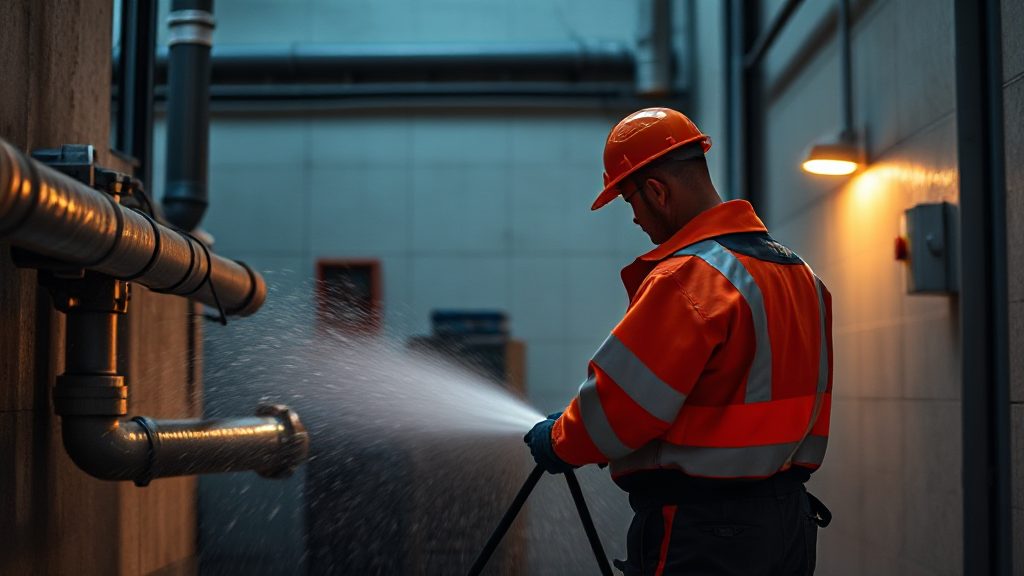
Which Mistakes Do People Make When Hiring a Desentupidora in Taubaté SP?
Your kitchen sink has been draining slower for days, and now dirty water is backing up into the floor drain. You grab your phone, search for a desentupidora Taubaté SP, and within minutes you are talking to a company that promises to solve everything by tomorrow morning. That is exactly the moment when most people make a decision they regret. I tested the process myself, called several providers, watched how they handled a real blockage, and compared what happened before, during and after the service. The result was a short list of mistakes that repeat over and over, and each one is easy to avoid once you know what to look for.
This is not a theoretical checklist. I followed a scenario from the first call to the final invoice, then repeated it in different situations: a condominium with a blocked sewage line, a restaurant with a grease-filled pipe and a house with a septic tank that had never been cleaned. The same errors appeared in all three cases.
The First Call: Where Most Hiring Mistakes Begin
The scenario starts with a clogged drain and a homeowner in a hurry. That urgency is the root of almost every bad decision. A company that answers the phone in ten seconds and offers to come immediately is not automatically the right choice, and a company that asks questions before quoting is not wasting your time.
Mistake 1: Choosing the First Number That Appears
When water is rising, the first result on the screen feels like a rescue. I made that call myself and got a generic call center that took my address, promised a technician and never explained what equipment would be used. The technician arrived without a camera or a hydro jetting machine, tried a manual snake, failed, and still charged a call-out fee. A serious provider will ask what is blocked, for how long, whether there are other drains affected and whether the property has a septic tank. That conversation takes two minutes and tells you a lot.
Mistake 2: Accepting a Price Without Knowing What It Covers
The second trap is the vague quote. A low number on the phone often means only the visit, not the unblocking. I compared three quotes for the same kitchen line: one said “from R$ 150”, another said “R$ 380 with equipment included”, and a third asked for photos before giving a range. The first two ended up costing more than the third because extras appeared later. Ask explicitly whether the price includes the call-out, the equipment, the removal of residue and any follow-up visit.
Mistake 3: Ignoring Availability for Emergencies
Blockages do not respect business hours. In the condominium scenario, the sewage backup started at 10 p.m. on a Saturday. The first company I tried had a recorded message saying to call back on Monday. The second had a real 24-hour team and arrived within the hour. If your property has a history of clogs, confirm before hiring whether the provider actually operates at night and on weekends, not just whether the website says “24h”.
During the Service: What a Proper Job Looks Like
Once the technician is at the door, the mistakes change from commercial to technical. This is where I watched the difference between a quick fix and a real solution. A proper desentupidora Taubaté should explain the method before starting and protect the area around the access point.
Mistake 4: Letting the Technician Skip the Inspection
In the restaurant case, the first team simply pushed a cable through the pipe and declared it clear. Two weeks later the grease clog returned. The second team used a camera to locate the obstruction and found a collapsed section of pipe that no amount of unblocking would fix. Inspection is not an upsell; it is how you avoid paying twice. If the provider cannot show you what is happening inside the line, you are guessing.
Mistake 5: Accepting the Wrong Method for the Type of Clog
Different blockages need different tools. A hydro jetting machine, which uses high-pressure water, is the right choice for grease, scale and sediment in larger pipes. A mechanical snake works better for roots or solid objects in smaller lines. In the house with the septic tank, the problem was not the pipe at all, but a full tank that needed pumping. A technician who uses the same tool for every job will eventually damage a pipe or leave the real cause untouched. Ask why a specific method was chosen.
Mistake 6: Not Checking Where the Waste Goes
This is the mistake nobody talks about until it becomes a mess. When a line is cleared, the removed material has to go somewhere. A professional team contains it, removes it and disposes of it correctly. I saw one informal crew let the residue flow into the street drain. That is not only illegal in most municipalities; it can create a new blockage downstream and put you in a dispute with neighbors. A legitimate desentupidora em Taubaté SP will explain how the residue is handled before the work starts.
Mistake 7: Skipping the Preventive Conversation
After the job is done, the technician should tell you what caused the clog and what to change. In the condominium, the cause was years of accumulated grease and improper disposal of solid waste by residents. The provider recommended a maintenance schedule for the main line. Without that conversation, the same problem returns in a few months. A good company is not the one that solves the emergency fastest; it is the one that reduces how often you need it.
Other Situations: How the Same Mistakes Change Shape
The scenario above was a residential kitchen line. The same errors appear in different forms depending on the property. Understanding the variations helps you apply the lessons before the emergency happens.
Condominiums and Commercial Buildings
In shared buildings, the biggest mistake is hiring without involving the building manager and without documenting the service. A blockage in a main line can affect several units, and the responsibility for the cost is not always obvious. I watched a case where a technician cleared a line and left without a report; two weeks later, another unit flooded and nobody could prove what had been done. Ask for a written description of the service, the equipment used and the condition found. For commercial kitchens, the grease trap is often the real problem, and a provider that ignores it will keep coming back to unblock the same pipe.
Septic Tanks and Rural Properties
Homes with septic tanks face a specific mistake: treating every backup as a pipe clog. When the tank is full, the symptoms look identical to a blockage, but unblocking the line only buys a few days. The correct step is to check the tank level and schedule pumping before the overflow reaches the drain field. In the house I followed, the owner had never pumped the tank in eight years. The first company tried to unblock the pipe; the second measured the tank, pumped it and explained the correct interval. That is the difference between a repair and a diagnosis.
Older Properties and Tree Roots
In older houses, roots entering through pipe joints are common. The mistake here is accepting repeated mechanical clearing without addressing the intrusion. Each clearing damages the pipe a little more. A camera inspection followed by a repair plan is the only durable answer. I saw a provider recommend hydro jetting on a root problem; it cleared the line for a month and then the root grew back stronger. The right sequence is inspection, then the appropriate method, then a decision about repair or replacement.
Emergency Situations at Night or on Weekends
The urgency of an emergency makes every other mistake more likely. People accept the first available price, skip the questions and let an unqualified crew work in the dark. The practical defense is to have a contact saved before you need it. In the night scenario, the homeowner who had a trusted provider in their phone paid a predictable rate and got a documented service. The neighbor who searched in panic paid more and had no record of what was done.
A Simple Comparison of What to Ask
| Question | Weak Answer | Good Answer |
|---|---|---|
| What is included in the price? | “It depends, the technician will see.” | Clear breakdown of call-out, equipment and residue removal. |
| Do you work at night? | “Leave a message.” | Real 24-hour team with an arrival estimate. |
| How do you find the cause? | “We just unblock it.” | Camera inspection before choosing the method. |
| What happens to the waste? | “It drains away.” | Contained, removed and properly disposed of. |
| Do I get a report? | “No need.” | Written description of the service and findings. |
The pattern across all these situations is the same. The mistakes are not technical mysteries; they are shortcuts taken under pressure. A provider that asks questions, explains the method, inspects before acting and documents the work is almost always the cheaper choice in the long run. The next time a drain backs up, slow down for two minutes on the phone. That pause is what separates a repair from a repeat visit, and it is the single most useful habit I took from testing the process myself.

Leave a Reply